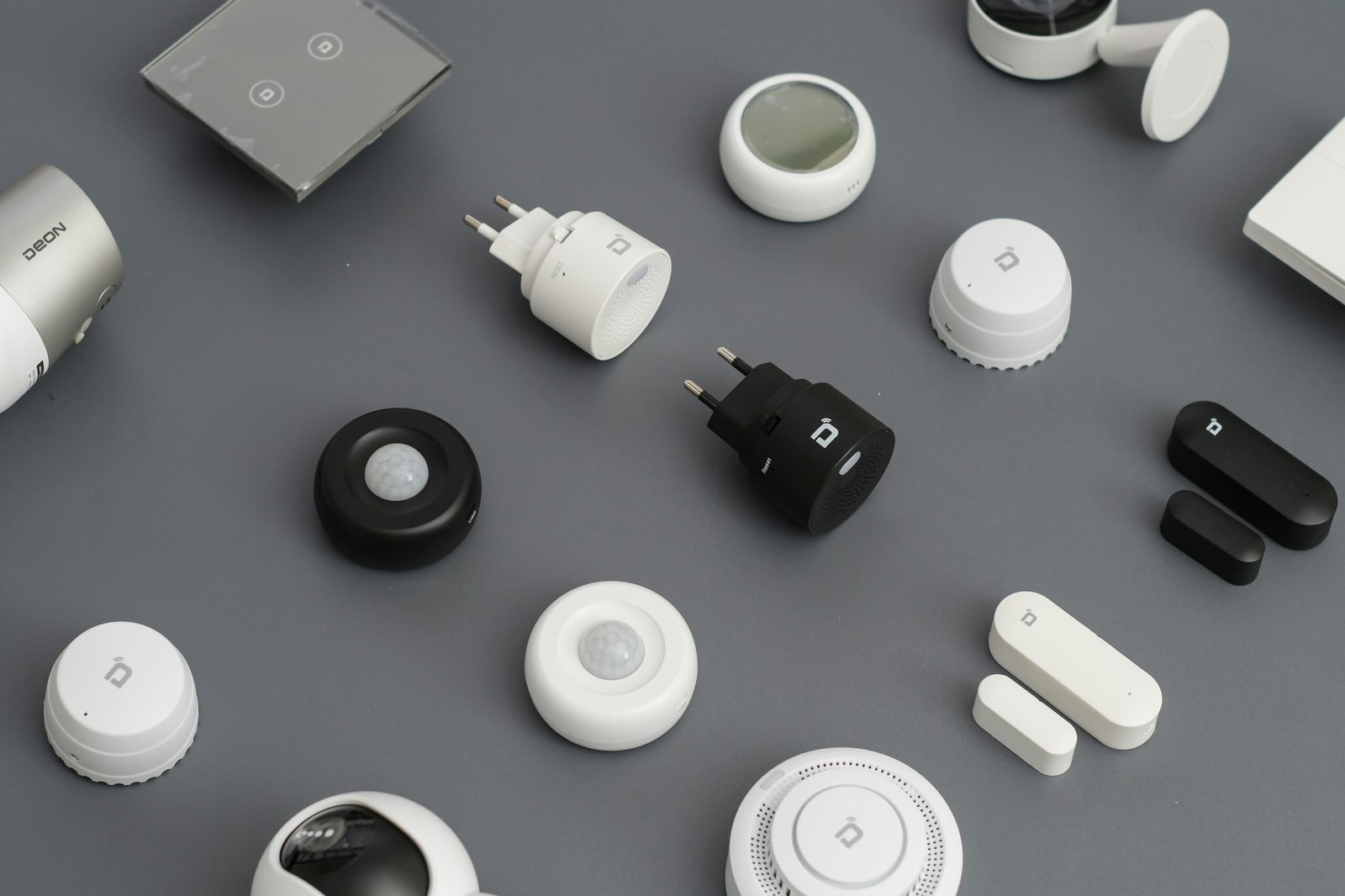
What is a Smart Home?
A smart home refers to a residence that employs technology to enhance the convenience, efficiency, and security of daily living through home automation. Unlike traditional homes, which rely on manual operations, smart homes integrate various devices and systems that communicate with each other, facilitating a seamless living environment. This interconnected lifestyle is made possible through the Internet of Things (IoT), a network of physical devices embedded with sensors and software that enable them to connect and share data.
At the heart of a smart home is the concept of home automation. This involves the control of lighting, temperature, security systems, appliances, and other home features through a centralized interface, often managed via smartphones or tablets. Homeowners can remotely monitor their properties and adjust settings from afar, ensuring greater control over their living space. By automating routine tasks, such as turning off lights when leaving a room or adjusting the thermostat based on occupancy, smart homes promote energy efficiency and reduce utility costs.
Smart homes often incorporate a variety of devices such as smart thermostats, security cameras, and lighting systems. These devices work in concert to provide enhanced functionality; for instance, a smart thermostat can learn the homeowner’s schedule and automatically adjust heating or cooling settings for optimal comfort. Moreover, integrating powered devices within a smart home allows for intricate scenarios where, for example, the security system can send alerts to the homeowner’s phone if unusual activity is detected.
In essence, a smart home represents a modern approach to living, merging comfort and efficiency through advanced technology. The continuous advancements in IoT technology promise to further enhance these capabilities, paving the way for more innovative solutions in the future.
Essential Smart Home Devices: Lighting, Security, and Automation
Smart home systems are revolutionizing the way we interact with our living environments, particularly in Qatar. At the core of these systems are three essential categories of devices: smart lighting, security solutions, and automation tools. Each category contributes uniquely to the enhanced functionality and convenience of modern homes.
Smart lighting solutions allow homeowners to control illumination through apps or voice commands. These devices come equipped with features such as adjustable brightness, color-changing options, and scheduling capabilities. Such versatility not only enhances the ambiance of any room but also promotes energy efficiency by allowing users to turn off lights remotely or set automatic timers. By integrating smart bulbs and fixtures into their homes, residents can create personalized lighting experiences that adapt to their needs and moods.
Security is a paramount concern for any homeowner, and smart security devices offer innovative ways to safeguard properties. This category includes smart cameras, motion detectors, and alarms that provide real-time monitoring and alerts. Homeowners can remotely view live camera feeds via their smartphones, ensuring peace of mind when away from home. Additionally, smart locks allow for keyless entry, enabling residents to provide access to trusted individuals without the hassle of physical keys. Such systems not only enhance security but also offer data insights that can help homeowners better understand their security landscape.
Automation tools further streamline home management. Smart thermostats help regulate indoor temperature by learning user preferences and adjusting settings accordingly. Voice assistants, another key component of smart automation, allow residents to control various devices, from lighting to entertainment systems, simply by using voice commands. This integration of technology makes daily tasks more manageable and enhances the overall living experience. Thus, as smart home systems continue to evolve, they bring unprecedented convenience and security to homes in Qatar.
Benefits of Smart Home Systems: Comfort, Energy Saving, and Enhanced Security
Smart home systems have transformed the way individuals interact with their living spaces, offering a range of significant benefits. One of the primary advantages is the comfort these systems provide through convenience. Homeowners can control various devices—such as lighting, heating, and security cameras—remotely via smartphones or voice commands. For instance, imagine arriving home on a hot day; with a smart thermostat, you can adjust your home’s temperature ahead of time, ensuring a comfortable environment upon your arrival. This advances the user experience significantly, elevating daily comfort to new heights.
Another critical benefit of smart home systems is energy savings. By optimizing resource management, these systems can significantly reduce energy consumption. Smart thermostats, for instance, learn users’ habits over time and adjust the heating or cooling accordingly, potentially decreasing energy bills by up to 15%. According to research by the U.S. Department of Energy, homes equipped with smart technology generally use 10-30% less energy than traditional setups. This not only contributes to significant cost savings but also supports sustainable living practices, appealing to eco-conscious homeowners.
Enhanced security is equally paramount when considering smart home systems. Features such as remote surveillance, automated lighting, and smart locks offer peace of mind to residents. Homeowners can monitor live feeds from security cameras while away and receive instant alerts on any suspicious activity. Studies have shown that neighborhoods with smart security systems experience lower crime rates, indicating a direct correlation between technology adoption and improved safety. Overall, the integration of smart technology into homes provides a multifaceted approach to modern living, emphasizing comfort, sustainability, and security as fundamental pillars of today’s lifestyle.
Cost of Smart Home Systems in Qatar and Future Trends
The cost of smart home systems in Qatar is a crucial factor that homeowners consider when deciding to upgrade their living spaces. Initial investment for a comprehensive smart home setup can vary significantly based on factors such as the scale of automation, the type and brand of devices chosen, and the complexity of installation. On average, homeowners can expect to invest anywhere from QR 15,000 to QR 50,000 for a robust smart home system, encompassing smart lighting, climate control, security features, and advanced home entertainment systems.
Despite the high initial costs, the long-term savings typically associated with smart home systems can justify the investment. Energy-efficient devices can significantly lower utility bills over time. For instance, smart thermostats can optimize heating and cooling, resulting in decreased energy expenditures. Furthermore, smart lighting systems can reduce electricity usage through automation and remote control capabilities.
In terms of future trends, the smart home market in Qatar is anticipated to experience considerable growth. The integration of artificial intelligence and machine learning within smart home systems represents a significant advancement. These technologies allow systems to learn user preferences, improving efficiency and personalizing the user experience. Additionally, the adoption of Internet of Things (IoT) devices is expected to rise, facilitating seamless communication between various smart devices and enhancing overall home automation.
Secure Star Qatar is poised to meet these emerging demands by providing tailored smart home solutions that cater to the evolving needs of homeowners. By investing in reliable smart home technology today, residents not only enhance their living environment but also position themselves at the forefront of modern living standards. Consider upgrading your home to a smart system, ensuring you benefit from the latest technological advancements while improving your quality of life.