Introduction to Access Control Systems
Access control systems serve as a critical component in maintaining security and managing entry to specific areas within a variety of environments. These systems are designed to allow or restrict access based on regulated permissions, thereby providing both physical and logical security for assets, information, and personnel.
The fundamental purpose of an access control system is to determine who can enter designated spaces—be it a corporate office, residential building, healthcare facility, or warehouse. By employing a combination of hardware and software, these systems facilitate the management of access rights and ensure that only authorized individuals can gain entry to sensitive or restricted zones. This is particularly essential in environments where data, sensitive information, or valuable assets are present.
Various mechanisms are employed within access control systems, including keycards, biometric scanners, PIN codes, and mobile access solutions. Each technology presents distinct advantages and can be customized to meet the specific security requirements of an organization. For example, biometric systems enhance security through unique identification features such as fingerprints, facial recognition, or retinal scans.
In addition to physical access control, these systems can integrate with other security measures, providing a comprehensive solution that includes video surveillance, alarms, and intrusion detection systems. This multi-layered approach is vital for organizations seeking to bolster their security infrastructure and mitigate risks associated with unauthorized access.
In conclusion, the integration of access control systems is indispensable for effectively safeguarding assets and ensuring the safety of personnel, making them a prevalent feature in modern security strategies across various sectors in Qatar.
Types of Access Control Systems
Access control systems are fundamental for securing premises in various sectors, including commercial, residential, and industrial environments. There are several types of access control systems, each designed to meet specific security needs. Among the most prominent are biometric systems, RFID (Radio Frequency Identification) systems, and mobile access technologies. This section will explore how these systems function and their optimal use cases.
Biometric access control systems utilize unique biological traits for authentication. Fingerprint recognition is one of the most widely adopted biometric methods, where an individual’s fingerprint is matched against a stored template. This type of system is ideal for areas where high security is a priority, as it significantly reduces the chances of unauthorized access. Facial recognition is another emerging technology, particularly useful for enhancing security in public spaces or organizations requiring stringent identity verification.
On the other hand, RFID systems operate by using radio waves to transmit data from RFID tags to a reader without needing a physical contact point. Each user is assigned an RFID card, which they can scan at designated points for access. This technology is commonly found in facilities needing to manage a large number of entries, such as universities or corporate offices, due to its efficiency and ease of management.
Finally, mobile access technologies represent a newer trend in access control, allowing users to gain entry via their smartphones. This method uses Bluetooth or NFC (Near Field Communication) to communicate with the access control system. Mobile access is particularly advantageous for organizations that wish to streamline their entry process, offering convenience while maintaining high security levels.
The Installation Process of Access Control Systems
The installation process of access control systems is a meticulous endeavor, consisting of several key steps that ensure successful deployment. It begins with initial planning, which is critical for determining the specific needs of the premises. During this phase, stakeholders should assess the security requirements, locations of access points, and the types of control mechanisms (e.g., keypads, card readers, or biometric devices) that will be installed. A comprehensive site survey can aid in identifying potential challenges such as wiring access and device placement.
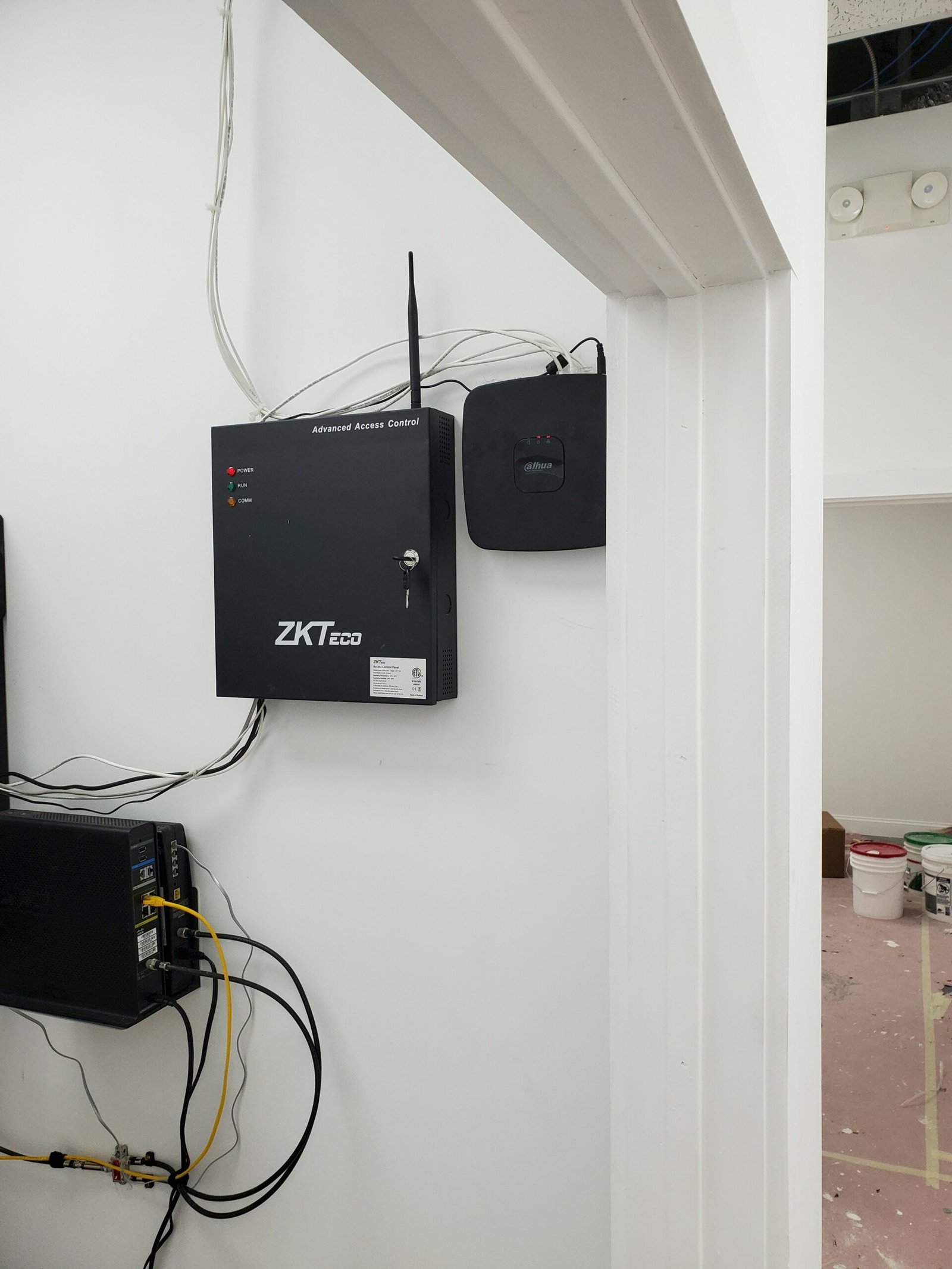
Following the planning phase, the next step involves hardware installation. This includes mounting the physical components of the access control systems. It is advisable to work with professional installers who possess expertise in securing devices securely and correctly aligning them with the designated access points. Proper cabling and connection to the power supply are crucial to prevent issues later in the installation.
Once the hardware is in place, attention shifts to software configuration. This step is vital for customizing the system to meet organizational requirements. It often involves integrating with existing security systems, setting user permissions, and establishing access levels. Efficient software installation can facilitate real-time monitoring and reporting functionalities, making it a necessary component to consider during the deployment.
Finally, rigorous testing must be conducted to ensure that the access control system functions as intended. This includes validating integrations, user access levels, and the responsiveness of the hardware. A thorough testing phase helps identify potential issues, enabling timely resolutions before the system goes live. Thus, the significance of professional installation cannot be overstated; their experience enhances not only the effectiveness of the installation process but also the overall security strategy of the organization.
Benefits of Access Control Systems for Offices, Buildings, and Warehouses
Access control systems are essential components in modern security management for offices, buildings, and warehouses. These systems provide a myriad of benefits that enhance the overall safety and efficiency of these environments. One of the primary advantages is improved security. By implementing electronic access control, businesses can restrict entry to authorized personnel only, significantly reducing the risk of unauthorized access and potential theft or vandalism. This heightened level of security is crucial for protecting valuable assets and sensitive information.
Moreover, access control systems facilitate the tracking of employee access. Organizations can monitor who enters and exits the premises and at what times, thus maintaining a comprehensive record of personnel movement. This tracking capability not only helps in ensuring employee safety but also aids in investigating any unusual activity that may occur within the facility.
Another key benefit of using access control systems is the ability to safeguard sensitive areas. Certain parts of a building might house confidential information or critical machinery that requires restricted access. With an electronic access control system, organizations can enforce strict permissions, ensuring that only specified individuals can gain entry to these sensitive areas, thereby mitigating risks associated with insider threats.
Visitor management is yet another area where access control systems add value. These systems enable businesses to regulate visitor access effectively, by issuing temporary credentials that limit access to specific areas and durations. This not only augments overall security but also streamlines the visitor check-in process, helping to maintain operational efficiency within the organization.
In conclusion, the installation of access control systems in offices, buildings, and warehouses yields significant benefits in security, personnel tracking, area protection, and visitor management, ultimately enhancing operational effectiveness.
Need for Access Control in Qatari Businesses
Access control systems have become indispensable in Qatari businesses due to a plethora of compelling reasons. The growing emphasis on security, in response to both local and international trends, has necessitated the implementation of advanced security measures. With Qatar being a hub for commerce and trade, the demand for safeguarding assets, personnel, and sensitive information has significantly increased. Businesses recognize that investing in an access control system not only reinforces security but also enhances operational efficiency.
Furthermore, regulatory compliance plays a crucial role in the need for access control in Qatar. Various industries, including finance, healthcare, and education, are bound by stringent regulations that mandate the protection of sensitive data and secure access to facilities. Access control systems provide the means to meet these regulations, thus helping businesses avoid legal repercussions associated with data breaches or unauthorized access.
The booming economic environment in Qatar has also intensified competition among businesses, prompting them to adopt sophisticated security solutions. As organizations expand and diversify their offerings, ensuring the integrity of their operations becomes paramount. An effective access control system mitigates risks related to employee theft, vandalism, and external threats, thereby contributing to a more secure and productive workspace.
In addition to enhancing security and ensuring compliance, access control systems offer businesses greater visibility into their operations. Employers can track employee attendance, monitor movements within the premises, and gain insights into usage patterns. This data can be invaluable for making informed decisions regarding workforce management and optimizing space utilization.
Why Choose Secure Star Qatar for Access Control Solutions
Secure Star Qatar stands out in the realm of access control solutions, offering a comprehensive approach to security tailored specifically for businesses in Qatar. With years of expertise in providing effective security measures, they pride themselves on delivering systems that not only meet regulatory standards but also align with local business needs. Their experienced professionals understand the evolving landscape of security challenges, enabling them to develop proactive solutions that ensure the safety of assets and personnel.
One of the unique selling propositions of Secure Star Qatar is their commitment to customer support. From the initial consultation to post-installation maintenance, their dedicated team assists clients at every stage. This robust support system fosters a trusting relationship between Secure Star Qatar and its clients, ensuring confidence in their access control choices. Their emphasis on client satisfaction is evident through regular follow-ups and tailored advice that meet the specific requirements of different industries.
Secure Star Qatar further distinguishes itself by providing customized access control systems that cater to the diverse needs of businesses in various sectors. Understanding that no two businesses are alike, they collaborate with clients to design solutions that align with individual operational demands. Whether it’s implementing biometric systems, card access, or mobile solutions, Secure Star Qatar ensures that the security framework is both effective and flexible, adapting to the dynamic nature of business in Qatar.
In conclusion, the combination of specialized knowledge, extraordinary customer support, and customized security solutions makes Secure Star Qatar a premier choice for business owners seeking reliable access control systems. Their focus on addressing local business needs grants them a unique advantage, solidifying their position as a trusted provider in the field of security solutions.
Frequently Asked Questions (FAQ)
Access control systems have become an essential component of modern security infrastructure in Qatar and around the world. Here are some frequently asked questions about these systems, their installation, and maintenance that can assist individuals and organizations in making informed decisions.
What are the costs associated with installing an access control system?
The cost of installing an access control system can vary widely depending on several factors, such as the type of system, the number of entry points, and the specific features required. Basic systems can start at a few thousand Qatari Riyals, while more advanced configurations featuring biometrics, smart cards, and remote management could reach significantly higher sums. It is advisable to obtain quotes from multiple vendors to ensure competitive pricing.
How often should access control systems be maintained?
Regular maintenance is crucial to ensuring the reliability of access control systems. It is generally recommended to conduct periodic checks every six months to a year. Maintenance typically involves checking the functionality of hardware components, updating software, and ensuring that the system integrates correctly with other security measures, such as CCTV systems and alarm systems.
What are the different types of access control systems available?
Access control systems can be broadly classified into three categories: standalone, networked, and cloud-based systems. Standalone systems operate independently at a single entry point, while networked systems connect multiple points for centralized management. Cloud-based access control systems offer the advantage of remote management and scalability, making them increasingly popular among organizations of all sizes.
Can access control systems be integrated with other security systems?
Yes, access control systems can be integrated with various other security systems, enhancing overall security coverage. Integration with video surveillance systems, intrusion alarms, and emergency communication systems can provide a comprehensive security solution. This type of integration allows for real-time monitoring and response, improving the efficacy of security measures.
Conclusion
In today’s rapidly evolving security landscape, access control systems play a pivotal role in safeguarding premises, assets, and personnel. The integration of advanced access control technologies ensures that only authorized individuals can enter secured areas, thus enhancing safety and security. By implementing these systems, organizations and homeowners can mitigate risks associated with unauthorized access while streamlining operational efficiencies.
The benefits of installing an access control system are manifold. They not only provide an essential layer of protection against potential breaches but also allow for effective monitoring and management of entry points. Whether it involves a simple card access system or a comprehensive biometric solution, the right access control technology adapts to the specific needs of the environment, offering flexibility and scalability. Additionally, such systems provide valuable insights through access logs, helping organizations keep track of personnel movements and identify suspicious activities.
Secure Star Qatar stands out as a premier provider of access control system solutions in the region, offering customized installations tailored to the unique requirements of different clients. Their expertise and commitment to quality ensure that businesses and residential properties receive optimal protection and peace of mind. As security threats continue to evolve, investing in a reliable access control solution is not merely a trend but a necessity for ensuring long-term security and operational integrity. It is highly recommended that individuals and organizations consider the advantages of access control systems as a vital component of their security strategy.
When it comes to ensuring the security of your premises, having an effective access control system is paramount. At Secure Star Qatar, we understand that every facility has unique requirements, and thus, we are dedicated to providing tailored solutions that meet those needs. If you are considering an access control installation in Qatar, we invite you to take the next step and reach out to us for a comprehensive consultation.
Our experienced team will guide you through the intricacies of access control systems, helping you to identify the right components and configurations that best suit your environment. Whether you need solutions for a commercial space, residential complex, or industrial setting, we are equipped to assist with all aspects of access control system design, installation, and maintenance.
We encourage you to connect with us today to discuss your project requirements in detail. You can contact us through the following means:
- Phone: +974 1234 5678
- Email: info@securestarqatar.com
- Address: Secure Star Qatar, Building 123, Al-Muraikh, Doha, Qatar
At Secure Star Qatar, your security is our priority. By working together, we can ensure a safe and secure environment tailored to your specific needs. Do not hesitate to reach out for expert guidance and to initiate your access control project. We look forward to partnering with you to enhance the security of your site.